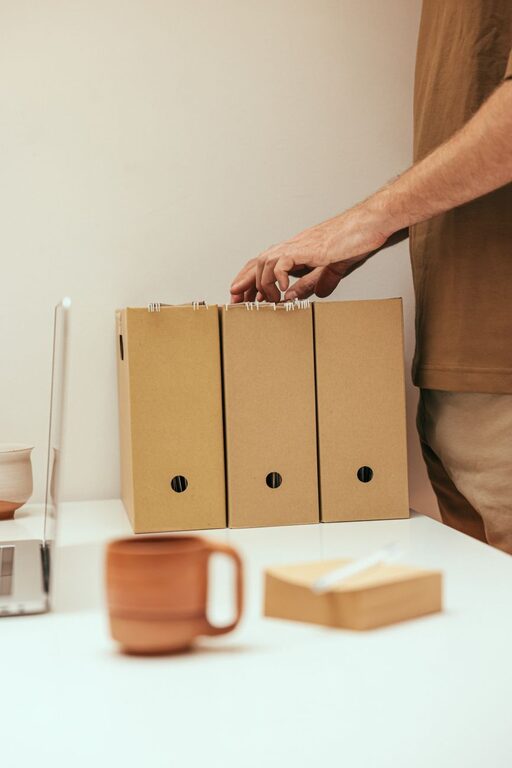
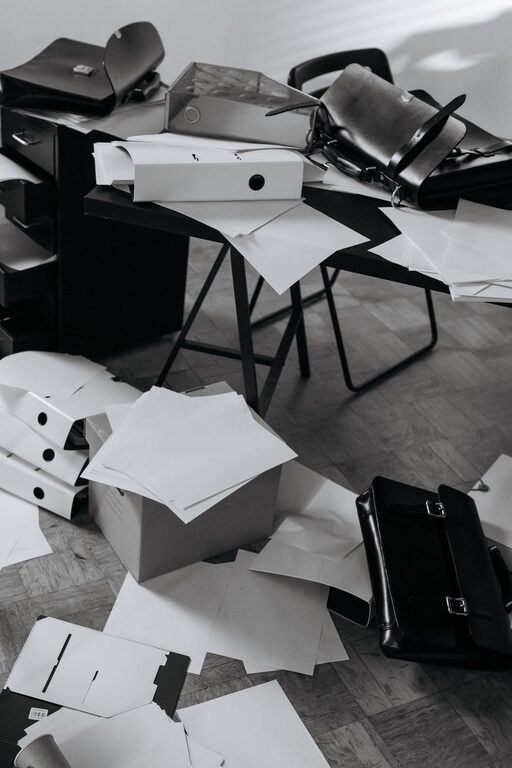
Paper clutter is a common challenge in many households. Whether it’s piles of mail, receipts, school papers, or old documents, excessive paper can make your home feel chaotic and overwhelming. Fortunately, reducing paper clutter doesn’t have to be complicated or time-consuming. With some simple, practical steps, you can regain control and keep your space tidy. In this post, we’ll explore easy ways to manage and reduce household paper clutter.
Why Reduce Paper Clutter?
Before diving into solutions, it helps to understand why reducing paper clutter is beneficial:
– Improves organization: Less paper means easier access to important documents.
– Reduces stress: A cleaner environment promotes peace of mind.
– Saves time: You spend less time searching for needed papers.
– Protects the environment: Using less paper reduces waste.
1. Create a Centralized Paper Station
Having a designated spot for all incoming paper is key to staying organized. This can be a small desk, a wall-mounted organizer, or a simple tray.
– Set up labeled bins or folders for incoming mail, bills, school papers, and important documents.
– Check and sort daily to prevent papers from piling up.
– Keep basic supplies handy like pens, a shredder, and sticky notes.
2. Sort and Purge Regularly
Regularly going through your paper helps you identify what to keep and what to discard.
– Sort your papers into categories: To file, to act on, to shred, or to recycle.
– Shred sensitive documents like bank statements or anything with personal information.
– Recycle papers you no longer need to be environmentally friendly.
– Schedule a weekly or monthly routine to maintain control and avoid overwhelm.
3. Digitize Important Documents
Going digital is one of the most effective ways to reduce physical paper clutter.
– Use a scanner or smartphone app to create digital copies of important papers.
– Save files in organized folders on your computer or cloud storage.
– Name files clearly with dates and descriptions for easy retrieval.
– Keep a backup to ensure your documents are safe.
4. Reduce Incoming Paper
One of the best ways to manage paper clutter is to prevent unnecessary paper from entering your home.
– Opt for paperless billing and statements from banks, utilities, and service providers.
– Unsubscribe from junk mail and catalogs using online services or by contacting senders directly.
– Use email newsletters instead of paper subscriptions where possible.
– Encourage your household members to minimize printed materials.
5. Organize Important Papers Efficiently
For papers you need to keep, organization is key to avoid clutter.
– Use file folders or accordion files labeled by category (e.g., taxes, insurance, medical).
– Store files in a small filing cabinet or portable file box.
– Keep documents you need frequently in a desktop organizer or binder.
– Review and update your filing system regularly to keep it functional.
6. Manage Kids’ School Papers Creatively
School papers can quickly accumulate, but there are fun and practical strategies to handle them.
– Involve your children in selecting keepers, such as special artwork or awards.
– Use a display board or rotating frame for showcasing recent or favorite projects.
– Digitize schoolwork with photos or scanning to reduce physical storage.
– Create a memory box for long-term keepsakes and recycle the rest.
7. Use Technology to Your Advantage
Several apps and tools can help you stay on top of paper management.
– Use note-taking apps for lists and reminders instead of sticky notes.
– Try apps designed for receipt tracking and expense management.
– Set reminders for bill payments to avoid keeping paper bills around.
– Automate bill payments where possible to reduce mail clutter.
8. Establish Daily Paper Habits
Small daily habits can prevent paper clutter from building up again.
– Spend 5 minutes a day sorting new papers.
– Place incoming mail straight into your paper station.
– Immediately recycle or shred junk mail.
– Handle school papers with your kids as soon as they come home.
Conclusion
Reducing household paper clutter is achievable with some simple changes and consistent habits. Creating a dedicated paper station, sorting regularly, going digital, reducing incoming paper, and managing your filing system thoughtfully will make a big difference. With less paper clutter, your home will feel more organized and peaceful, and you’ll enjoy the benefits of a tidy space. Start with one or two of these strategies today, and you’ll be on your way to a clutter-free home.