
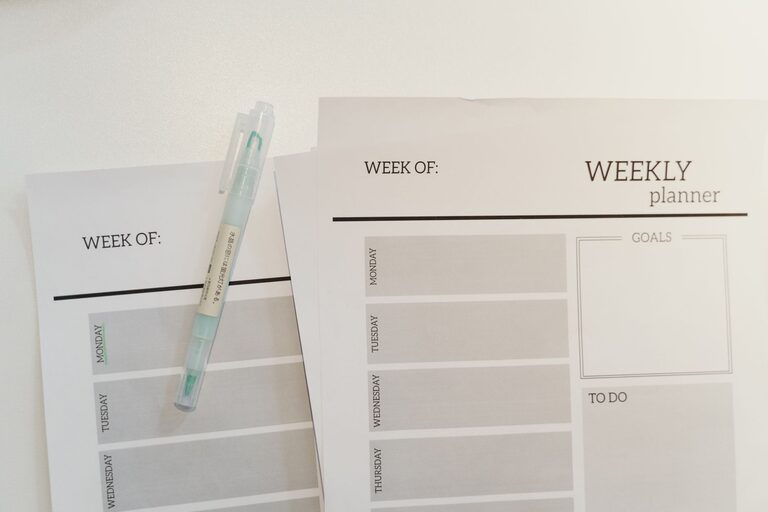
Setting goals is a powerful way to stay focused and achieve what matters most to you. However, setting unrealistic or vague goals can lead to frustration and burnout. By creating realistic weekly goals, you can make steady progress, maintain motivation, and balance your personal and professional life effectively.
In this post, we’ll explore how to set realistic weekly goals that are clear, actionable, and aligned with your overall objectives.
Why Set Weekly Goals?
Weekly goals act as a bridge between your long-term vision and daily tasks. They provide structure, help you prioritize, and allow you to adjust your efforts based on progress and challenges. When you set weekly goals, you:
– Focus on what matters most in a short time frame
– Avoid feeling overwhelmed by breaking down larger projects
– Track your progress and celebrate small wins
– Build momentum for continued success
Steps to Set Realistic Weekly Goals
1. Reflect on Your Priorities
Before you decide on your goals, take a moment to review your bigger picture. Consider your values, responsibilities, and any upcoming deadlines. Ask yourself:
– What are the key projects or tasks that need attention this week?
– How do these goals contribute to my monthly or yearly objectives?
– What areas of my life (work, health, learning) need balance?
This reflection ensures your weekly goals align with your overall priorities.
2. Be Specific and Clear
Vague goals like “work out more” or “get organized” are hard to measure and act upon. Instead, make your goals concrete. For example:
– “Exercise for 30 minutes on Monday, Wednesday, and Friday”
– “Organize files on my computer by Thursday”
Clear goals help you know exactly what to do and when.
3. Keep Goals Achievable
While it’s great to be ambitious, setting impossible targets can be discouraging. Ask yourself:
– Do I have enough time this week to complete this goal?
– Are the resources and information I need available?
– Is this goal realistic considering other responsibilities?
If the answer is no, adjust the goal to be more manageable or spread it over multiple weeks.
4. Limit the Number of Goals
Less is more when it comes to weekly goal setting. Trying to do too much often leads to incomplete tasks or stress. Aim for 3 to 5 important goals that you can focus on deeply. This helps you maintain quality and keeps your schedule reasonable.
5. Break Down Large Tasks
Big projects can feel overwhelming. Break them into smaller, actionable steps that fit into your weekly plan. For example, instead of “Write a report,” try:
– “Outline main points on Monday”
– “Write draft on Tuesday and Wednesday”
– “Edit and finalize on Thursday”
This approach makes progress feel steady and achievable.
6. Use a Planning Tool
Organizing your goals in a planner, calendar, or digital app can increase accountability and visibility. Tools like Google Calendar, Trello, or even a simple notebook help you:
– Schedule time blocks for each goal
– Set reminders and deadlines
– Track your progress throughout the week
Choose what works best for your style.
7. Stay Flexible and Adjust
Life can be unpredictable, so be ready to adjust your goals as needed. If something urgent comes up or you finish a goal early, adapt your plan. The idea is to keep moving forward without feeling stuck or stressed.
Tips to Stay Motivated Throughout the Week
Here are some extra tips to help you stick to your weekly goals:
– Prioritize tasks each day: Review your weekly goals daily and pick 1 or 2 top tasks to focus on.
– Celebrate small wins: Acknowledge progress, no matter how small, to keep your morale high.
– Limit distractions: Create a workspace or set time limits to avoid interruptions while working on goals.
– Find accountability partners: Share your goals with a friend or colleague who can encourage you.
– Review your week: At the end of the week, reflect on what you accomplished and what can improve.
Common Pitfalls to Avoid
Being aware of common mistakes helps you set better goals:
– Setting too many goals: Dilutes focus and energy.
– Goals that are too vague or broad: Hard to measure and complete.
– Ignoring your available time and energy: Leads to unrealistic planning.
– Not reviewing or adjusting goals: Misses opportunities to improve or recover from setbacks.
Sample Weekly Goal Plan
| Goal | Action Steps | Deadline | Status |
|——————————-|————————————|————|————–|
| Complete client presentation | Draft slides (Mon), finalize draft (Wed), practice (Fri) | Friday | In progress |
| Exercise 3 times | Gym on Mon, Wed, Fri | Friday | Planned |
| Organize email inbox | Delete old emails (Tue), label important (Thu) | Thursday | Not started |
| Read two chapters of book | Read Monday and Thursday evenings | Thursday | In progress |
| Meal prep for the week | Plan menu (Sun), shop groceries (Sun) | Sunday | Completed |
Final Thoughts
Setting realistic weekly goals is a skill that improves with practice. By focusing on clear, manageable, and meaningful objectives, you make steady progress without overwhelming yourself. Use these guidelines to create your weekly plan and watch how it helps boost your productivity and satisfaction.
Remember, the key is to stay flexible and kind to yourself along the way. Each week is a new opportunity to learn, grow, and move closer to your bigger dreams. Happy goal setting!