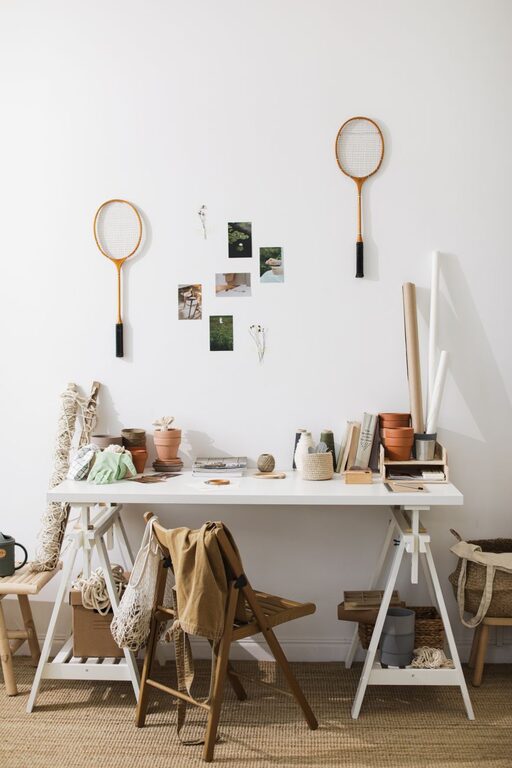
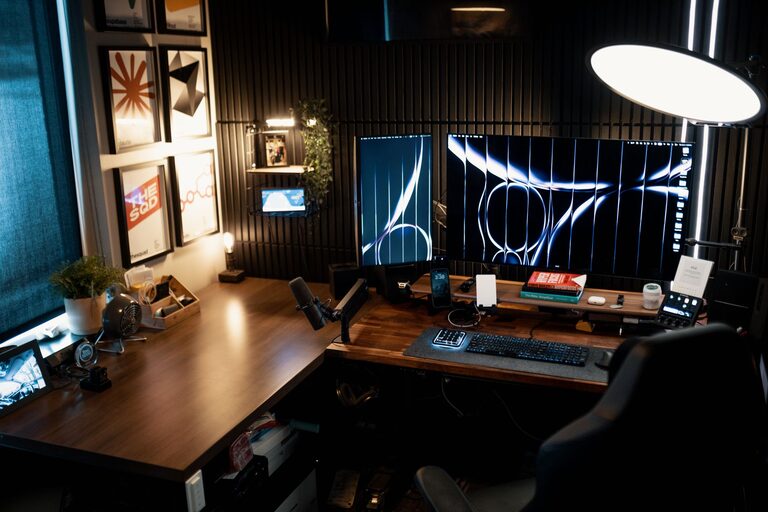
Creating a relaxing home workspace is essential for maintaining focus, reducing stress, and improving overall productivity when working from home. Whether you have a dedicated room or a small corner, designing a space that feels calm and inviting can make a huge difference in your daily work experience. In this post, we’ll explore practical steps to help you build a comfortable and peaceful home workspace.
Why a Relaxing Workspace Matters
Your environment plays a crucial role in how you feel and perform during your workday. A cluttered or uncomfortable space can lead to distractions, fatigue, and stress. On the other hand, a relaxing workspace can:
– Enhance concentration and creativity
– Reduce feelings of overwhelm and anxiety
– Encourage better posture and physical comfort
– Support a healthy work-life balance
Step 1: Choose the Right Location
Finding the best spot in your home is the first step toward creating a relaxing workspace.
Consider these factors:
– Natural light: Position your desk near a window to enjoy daylight, which can improve mood and reduce eye strain.
– Quietness: Select a place with minimal noise and distractions to stay focused.
– Privacy: If possible, choose an area that allows you to separate work from home life.
– Space: Ensure there’s enough room for your desk, chair, and any necessary equipment.
Step 2: Invest in Comfortable Furniture
Comfort is key for long hours at your desk. Here’s what to focus on:
– Ergonomic chair: Choose a chair that supports your back and encourages good posture. Adjustable height and lumbar support are ideal features.
– Desk: Pick a desk at the right height to keep your arms at a 90-degree angle while typing. Standing desks or adjustable options can also be beneficial.
– Footrest: If your feet don’t rest flat on the floor, use a footrest to reduce strain.
Step 3: Organize and Declutter
A tidy workspace helps keep your mind clear. Try these organizing tips:
– Limit items on your desk: Keep only essentials like your computer, notepad, and pen.
– Use storage solutions: Drawers, shelves, or baskets can keep supplies neatly stored away.
– Cable management: Use clips or sleeves to keep cords organized and out of sight.
– Digital declutter: Organize files and emails regularly to prevent overwhelm.
Step 4: Personalize Your Space Wisely
Adding personal touches can make your workspace feel inviting without overwhelming it.
– Plants: Small indoor plants can improve air quality and add a refreshing touch.
– Artwork: Choose calming images or inspiring quotes that promote a positive mindset.
– Colors: Soft, neutral tones tend to be soothing, but feel free to add your favorite colors in accents.
– Lighting: Use a desk lamp with warm light to reduce eye strain and create a cozy atmosphere.
Step 5: Minimize Distractions
Maintaining focus is easier when distractions are kept in check.
– Silence notifications: Turn off non-essential phone and computer notifications during work time.
– Use noise-canceling headphones: These can help block background noise if you can’t find a quiet spot.
– Set boundaries: Communicate your work hours with family or housemates to reduce interruptions.
Step 6: Take Breaks and Move
A relaxing workspace also supports healthy habits.
– Schedule short breaks: Step away from your desk every hour to rest your eyes and stretch.
– Create a break zone: If space allows, set up a comfy chair or corner where you can relax briefly.
– Add movement: Consider simple exercises or stretches to keep your body comfortable.
Bonus Tips for Enhancing Relaxation
– Aromatherapy: Use essential oils like lavender or eucalyptus to promote calmness.
– Sound: Play soft background music or nature sounds for a peaceful ambiance.
– Temperature: Keep your workspace at a comfortable temperature to avoid distractions from being too hot or cold.
Final Thoughts
Creating a relaxing home workspace doesn’t require a large budget or major renovations. Small changes—like organizing your desk, adding plants, or choosing comfortable furniture—can significantly improve your work experience. By designing a space that supports both your physical comfort and mental well-being, you’ll enjoy a more productive and enjoyable workday.
Remember, your workspace should reflect your needs and preferences, so feel free to experiment until you find the perfect setup. A relaxing environment is not only good for your work but also essential for maintaining balance in your life.