
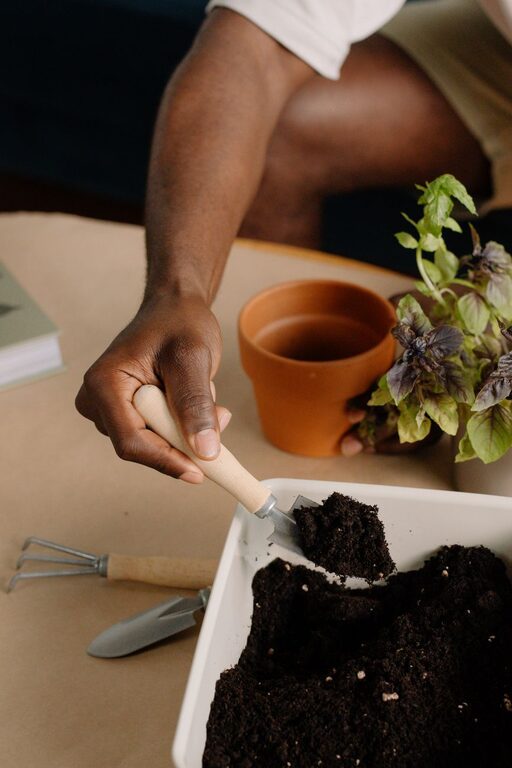
Starting a small herb garden indoors is a rewarding way to bring fresh flavors and greenery right into your home. Whether you lack outdoor space or want convenient access to fresh herbs for cooking, growing herbs indoors is both practical and enjoyable. This guide will walk you through everything you need to know to get your small indoor herb garden up and growing.
Why Grow Herbs Indoors?
Indoor herb gardens provide fresh, aromatic herbs year-round, regardless of weather or seasons. They brighten your kitchen or living space while providing convenience for cooking and garnishing. Plus, herbs can improve air quality and add a touch of nature to your home.
Some herbs also have natural pests-repellent properties and can encourage a calming indoor environment. Starting small means you don’t need much space or a big budget, making it accessible for beginners.
Choosing the Right Herbs for Indoor Growth
Not all herbs thrive indoors, so it’s best to pick varieties that adapt well to indoor conditions. Here are some popular, easy-to-grow herbs for indoor gardens:
– Basil: Loves sunlight and warmth, perfect for sunny window sills.
– Parsley: Grows well in moderate light, versatile in cooking.
– Chives: Low maintenance with a mild onion flavor.
– Mint: Can spread quickly, so it’s best kept in a separate container.
– Thyme: Prefers bright light and can tolerate drier soil.
– Oregano: Needs good sunlight and drainage.
– Cilantro: Prefers cooler temperatures and moderate light.
Start with 3-5 herbs that you use most often and feel confident caring for. You can expand your garden as you gain experience.
Selecting Containers and Soil
Containers
Choose containers that provide good drainage to prevent root rot. Options include:
– Small pots with drainage holes
– Recycled containers with holes drilled in the bottom
– Window boxes designed for indoor gardening
Size matters: pots around 4–6 inches in diameter are perfect for individual herbs, while larger pots work if you want to plant multiple herbs together.
Soil
Use a high-quality potting mix labeled for indoor plants or herbs. Avoid garden soil because it may not drain well and can introduce pests.
A light, well-draining mix helps keep roots healthy and prevents overwatering issues.
Finding the Best Location and Lighting
Light is one of the most important factors for successful indoor herbs.
– Natural light: Most herbs need 6-8 hours of bright, indirect sunlight daily. A sunny south or west-facing window is ideal.
– Artificial light: If natural light is limited, use grow lights. LED or fluorescent grow lights designed for plants provide the right spectrum and intensity. Position the lights 6–12 inches above the plants and keep them on for about 12-16 hours daily.
Avoid placing herbs where they receive harsh direct sunlight through glass, which can scorch leaves, or in dark corners with little light.
Planting Your Herb Garden
You can start your indoor herb garden using seeds, starter plants, or cuttings.
– Seeds: Follow the seed packet instructions for planting depth and spacing. Seeds take longer to mature but are more cost-effective.
– Starter plants: Available at garden centers, they’re an easy way to begin and offer quicker harvest.
– Cuttings: Propagate herbs like mint or basil by rooting cuttings in water or soil.
Fill pots with soil, plant seeds or seedlings at the recommended depth, and water gently to moisten the soil.
Caring for Your Indoor Herb Garden
Watering
Keep the soil moist but not soggy. Herbs generally prefer to dry slightly between waterings. Check moisture by touching the soil about an inch deep.
Fertilizing
Use a balanced, water-soluble fertilizer once a month during the growing season. Overfertilizing can reduce flavor intensity.
Pruning and Harvesting
Regularly pinch or trim herbs to encourage bushy growth and prevent legginess. Harvest leaves from the top, leaving enough foliage for the plant to keep growing.
Monitoring for Pests and Problems
Check herbs regularly for pests like aphids or spider mites. Wipe leaves gently with a damp cloth or use mild insecticidal soap if needed. Ensure good air circulation and avoid overwatering to prevent fungal issues.
Tips for Success
– Rotate pots every few days so plants grow evenly.
– Group herbs with similar light and water needs together.
– Use shallow trays or saucers under pots to catch excess water.
– Label your herbs to avoid confusion as they grow.
– Experiment with different herbs to find your favorites and those best suited to your indoor conditions.
Conclusion
Starting a small herb garden indoors is a fun, accessible way to enjoy fresh herbs year-round. By selecting suitable herbs, providing proper containers and light, and caring for your plants with consistent watering and pruning, you can create a thriving garden even in tight spaces. Your indoor herb garden will not only enhance your cooking but also bring a touch of green tranquility to your home.
Happy gardening!